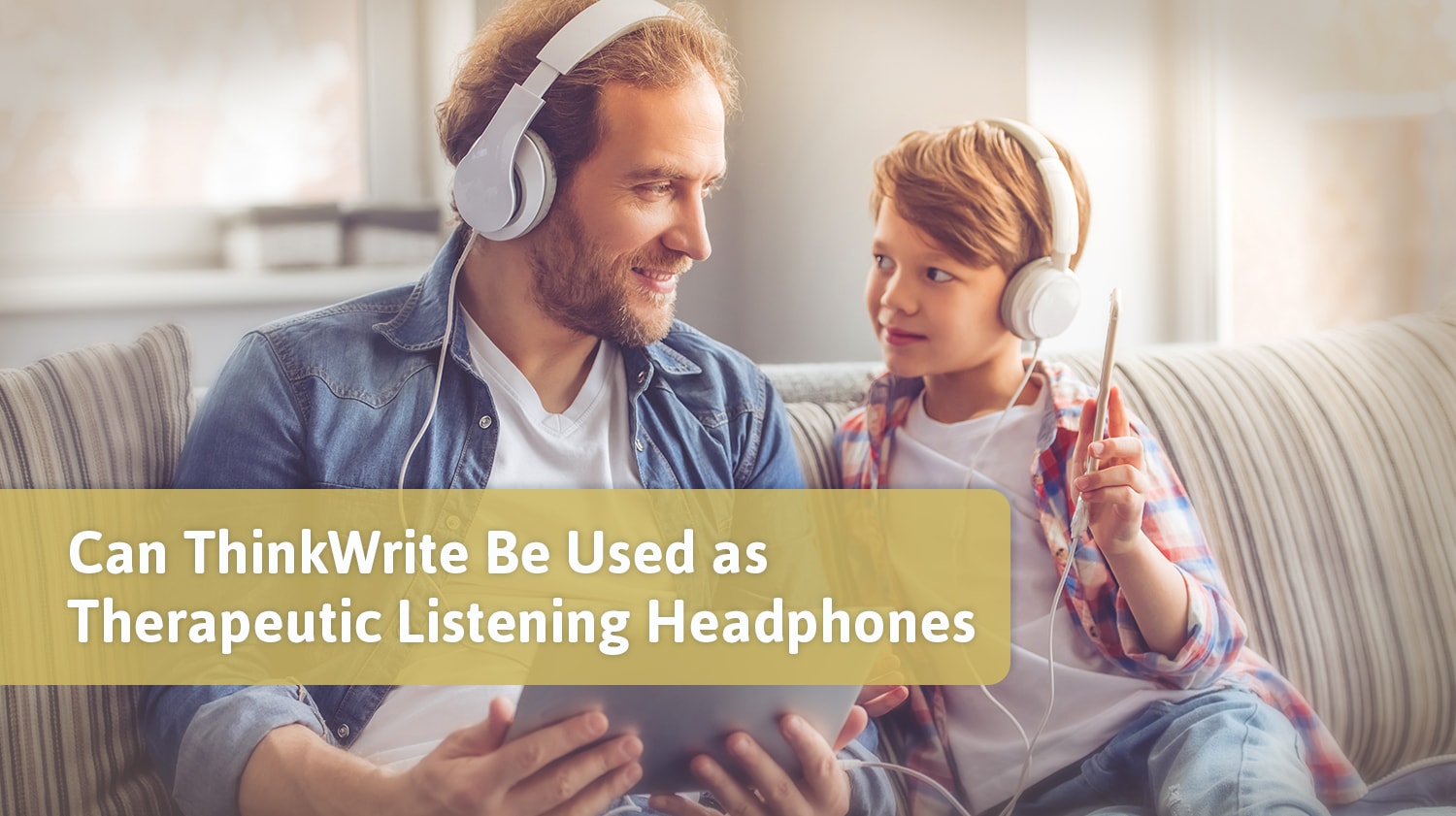
 Therapeutic listening involves sound-based intervention along with sensory-stimulating activities to help those who struggle with sensory processing challenges. It is based on evidence and is a specialized protocol. Therapeutic listening headphones are an integral part of therapeutic listening therapy.
Therapeutic listeningutilizes specifically arranged patterns of sound, similar to music, in order to affect every level of the nervous system. This system of integrated sensory bombardment increases balance, attention, communication, body awareness, sociability, and organization of sensory input. Through therapeutic listening, children can become more organized and enjoy more regulated behavior. They also tend to respond better to other methods of therapy after undergoing therapeutic listening techniques.
Our ears are designed to sense movement and sounds. The technical term for the part of our nervous system that handles hearing is the vestibular-cochlear system. The organ that detects vibrations and sound waves, allowing us to hear, is known as the cochlea. The ear’s vestibular portion is able to detect head movement. It’s considered to be a central organizing point for our bodily senses. Commonly referred to as the inner-ear, this part of the ear enables us to comprehend space and time from the perspective of our bodies. It impacts our posture and balance, coordination, visual-spatial skills, motor skills, and even emotional responses.
The vestibular-cochlear system develops before any other system prior to being born. Therapeutic listening is designed to exercise this system. It works to improve the accuracy of sensory information as it travels from the vestibular-cochlear system to other parts of the central nervous system.
Who Can Therapeutic Listening Headphones Help?
Therapeutic listening therapy can help people deal with a wide range of cognitive issues. Because audible sensations can affect certain parts of the brain associated with motor skills, learning, balance, and more, conditions that involve any or all of these functions can be improved.
Using soundwaves programmed for frequencies that specifically target the corresponding part of the brain, audio can be used to “exercise” those mental muscles that have, for whatever reason, failed to develop to their fullest potential on their own. And while it may not be able to restore those neural connections to their maximum capability, it has been proven to help to a considerable extent.
While it’s commonly associated with those who have been diagnosed with Autism Spectrum Disorder (ASD), a wide range of individuals can benefit from this innovate form of therapy, including those who suffer from:
- Irregular sleep patterns
- Attention deficit disorder
- Communication-related disorders and speech pathology
- Learning disabilities
- Underdeveloped motor skills, coordination, and balance
- Lack of self-esteem and social engagement
This is not a complete list but gives you an idea of the types of struggles therapeutic listening therapy can help to improve. This kind of therapy relies upon a special kind of headphone known as therapeutic listening headphones.
What are Therapeutic Listening Headphones?
Therapeutic listening headphones are required in order for therapeutic listening therapy to be effective. These headphones contain a specialized chip that can produce sounds most headphones are incapable of recreating. The versatile range of soundwaves created are crucial to the success of therapeutic listening therapy and have been created for the express purpose of providing this kind of audio.
For example, humans cannot hear the frequency created by a dog whistle – it’s too high pitched for our cochleae to detect. However, there are some high-pitched sounds that our brains do detect, even though we might not consciously be able to perceive them. Some such sounds are used in therapeutic listening therapy in order to exercise certain parts of the brain that are underdeveloped in people with the aforementioned disorders and deficiencies.
As you might imagine, most modern audio hardware cannot create sounds with such frequencies. There’s simply no use for them because most people can’t hear them. That’s why therapeutic listening headphones have been created.
ThinkWrite Therapeutic Listening Headphones
ThinkWrite therapeutic listening headphones are capable of producing the high-frequency soundsthat most headphones cannot. They meet the requirements of a frequency range of 22,000 HZ with an Impedance of 150 Ohms. Typical retail headphones seldom have these specifications. Using ThinkWrite headphones will assure the efficacy of therapeutic listening therapy.
Visit the shopat AISink today and browse our selection of ThinkWrite therapeutic listening headphones.